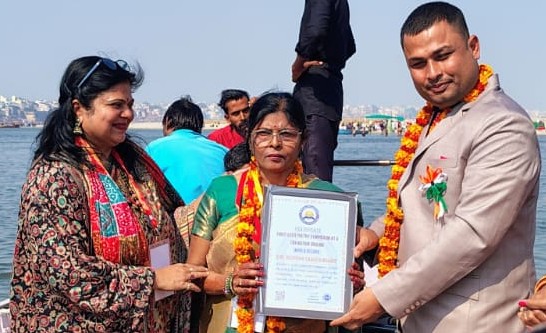
“Established in Thimphu, Bhutan, the Temple of Monarch is not a symbolic exhibit, museum, or commemorative hall. It is a living, functional temple actively used on a daily basis dedicated exclusively to honoring living monarchs. Conceptualized and realized by Sonam Tshering, this record stands as a powerful fusion of tradition, loyalty, creativity, and modern cultural interpretation.”
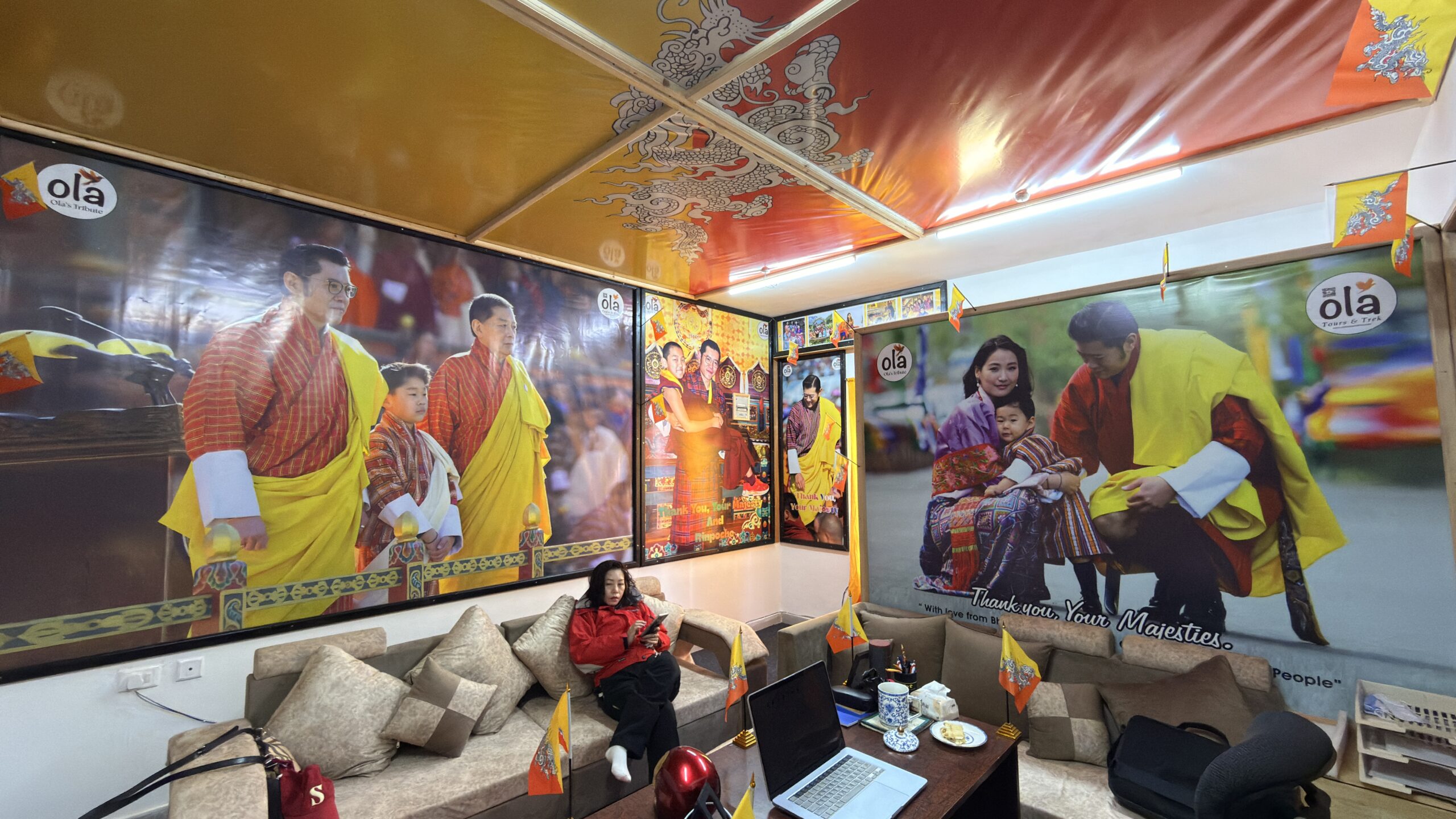
In the evolving landscape of world records, originality, authenticity, and cultural depth are the true benchmarks of greatness. Among the most distinctive achievements ever recognized in the field of arts, creativity, and cultural heritage stands the Temple of Monarch, a concept that redefines the idea of devotion in the modern world. Officially certified by The Book of World Records, this extraordinary initiative has been recognized as the World’s First Living Temple Dedicated to the Living Monarchs.
The Vision Behind the Temple of Monarch
The idea of the Temple of Monarch was born from a deeply personal and philosophical belief: that reverence need not be confined to the past or to deities alone. In many societies, monarchs embody continuity, national identity, stability, and generational legacy. The Temple of Monarch was conceived as a space where respect for living institutions of monarchy could be practiced daily, in humility and silence, rather than through ceremonial symbolism alone.
Unlike conventional religious structures, this temple does not worship divine figures. Instead, it honors living monarchs through carefully curated portraits, spatial sanctity, and disciplined daily usage. This unique vision makes the Temple of Monarch unprecedented on a global scale.
From Abandoned Space to Sacred Sanctuary
One of the most compelling aspects of this world record is the transformation process itself. The Temple of Monarch was not constructed as a new building. It emerged from the complete transformation of an abandoned office room into a sacred, functioning temple.
Phases of Transformation
Conceptual Formation (June–August 2025)
The initial phase existed purely in thought and planning. Research, feasibility analysis, design ideation, and eligibility verification were undertaken while balancing regular professional responsibilities.Preparation and Resource Challenges (September–October 2025)
Site inspections, logistical planning, and legal considerations followed. Financial constraints posed a major obstacle, eventually overcome through personal family support—underscoring the sincerity and sacrifice behind the project.Structural Development (October–November 2025)
The abandoned room was converted into a high-standard office space through late-night construction efforts, often continuing into the early morning hours under harsh winter conditions.Sacred Transformation (November–December 2025)
The final phase focused on the installation of premium-quality royal portraits, careful spatial alignment, and refinement of the environment into a serene, reverent sanctuary.
This documented timeline was a critical factor in the successful verification of the world record.
The Temple of Monarch qualifies as a world record not because of scale, cost, or publicity but because of conceptual uniqueness and execution. Key defining elements include:
World’s first temple dedicated exclusively to living monarchs
No deity statues or religious idols
Permanent and active daily use
Located within a functional corporate environment
Documented originality with no known global precedent
These elements collectively meet the stringent criteria set by The Book of World Records for global uniqueness and human creativity.
Certification by The Book of World Records
The record was officially registered under Reference No. TBWR/AC/2026/0211. The adjudication process involved a rigorous review.
After successful scrutiny and compliance verification, the record was confirmed as a World Record, and the certification process was completed following the official fee submission.
The Book of World Records applies globally recognized standards similar to leading international record authorities, ensuring credibility, transparency, and historical accuracy.
Cultural and Global Significance
The Temple of Monarch is more than a record it is a cultural statement. In an era where traditions are often preserved only through archives and ceremonies, this temple integrates reverence into daily life. It demonstrates that loyalty, gratitude, and respect for leadership can be practiced quietly and consistently.
From a global perspective, the record opens new dimensions in the Arts & Creativity category by introducing:
Living heritage spaces
Non-religious yet sacred environments
Contemporary expressions of traditional values
This achievement sets a benchmark for future cultural records that emphasize meaning over magnitude.
Sonam Tshering, the visionary behind the Temple of Monarch, serves as the authorized applicant and custodian of the record. His role was not limited to ideation; he personally supervised every phase of transformation, documentation, and compliance.
This personal accountability and integrity played a vital role in the successful certification of the record.
Why This Record Matters in World Record History
From an adjudicator’s perspective, the Temple of Monarch stands out because it fulfills three essential pillars of world records:
Originality – No prior comparable concept globally
Authenticity – Documented, permanent, and actively used
Cultural Value – Adds meaning to global heritage discourse
Unlike temporary installations or promotional claims, this record is rooted in sustained practice and documented human effort.
Inspiration for Future Record Aspirants
The Temple of Monarch demonstrates that world records are not limited to physical extremes or numerical achievements. Records can also be created through:
Thought leadership
Cultural innovation
Ethical originality
Personal conviction
Aspiring record holders can draw inspiration from this achievement to explore unexplored human ideas and meaningful contributions to society.
The Temple of Monarch is a landmark achievement in the history of world records. Recognized by The Book of World Records, it stands as the World’s First Living Temple Dedicated to the Living Monarchs, rooted in authenticity, cultural reverence, and human dedication.
Located in Thimphu, Bhutan, and established by Sonam Tshering, this record redefines what it means to create history not by grandeur alone, but by purpose. It is a living reminder that world records can preserve values, inspire reflection, and shape cultural legacy for generations to come.